
Mason for Bricks, Concrete, and Tiles
The Mason for Bricks, Concrete, and Tiles course is meticulously designed to equip students with the essential skills needed for masonry work in construction. This mason course covers a comprehensive range of masonry techniques, focusing on the handling and installation of bricks, concrete, and tiles. Students will learn both the theoretical aspects and practical skills required to excel in the masonry field, ensuring they are well-prepared for real-world construction challenges.
What you’ll learn?
- Fundamentals of masonry
- Types of bricks, concrete, and tiles
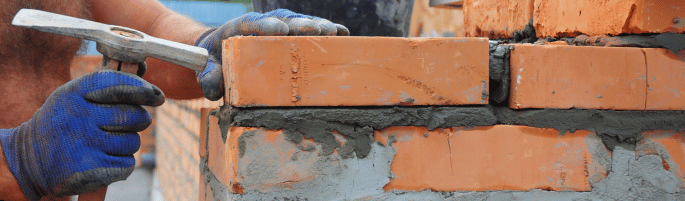
- Techniques for laying bricks and concrete blocks
- Methods for installing floor and wall tiles
- Reading and interpreting construction blueprints
- Safety protocols and best practices in masonry
- Use of masonry tools and equipment
- Techniques for mixing and applying mortar
- Repair and maintenance of masonry structures
- Finishing techniques for professional masonry work
Other Building & Construction courses:
BIM technician
Painters
Installation of Doors & Windows
Interior & Exterior false ceiling
Scaffolder Technician
Shuttering Carpenter
Tower Crane Operator
Concrete Mixer Operator
Crusher operator
JCB operator
Dozer operator
Paver Operator
Construction lift Operator
Course summary:
The Mason for Bricks, Concrete, and Tiles course provides a robust foundation in masonry work, focusing on both practical skills and theoretical knowledge. Students will gain hands-on experience with a variety of materials and techniques, ensuring they are capable of meeting the demands of the construction industry.
- Comprehensive training in brick, concrete, and tile masonry
- Knowledge of different masonry materials and their applications
- Practical experience with masonry techniques and tools
- Blueprint reading and construction plan interpretation
- Emphasis on safety standards and best practices
- Techniques for high-quality finishing in masonry work
Practical training:
- Workshops on bricklaying and concrete block installation
- Real-time projects involving floor and wall tile installation
- Safety drills and best practices for masonry work
- Tool usage and maintenance sessions
- Blueprint reading and practical interpretation exercises
- Field visits to active construction sites
- Practical troubleshooting and repair workshops
- Collaborative projects to enhance teamwork skills
- Mock installations for precision and quality practice
- Maintenance and repair training for masonry structures
Course syllabus:
Module 1: Introduction to Masonry
- Overview of the masonry profession
- Historical context and evolution of masonry techniques
- Importance of craftsmanship and attention to detail
- Career opportunities in masonry
- Personal Protective Equipment (PPE) for masonry work
- Safe handling of tools and materials (e.g., lifting techniques)
- Workplace safety (fall protection, hazard awareness)
- Health considerations (e.g., silica dust exposure)
- Essential tools for masonry work (e.g., trowels, levels, hammers)
- Specialized equipment (e.g., mixers, saws, scaffolding)
- Proper maintenance and storage of tools
- Selection of tools based on project requirements
Module 4: Materials and Components
- Types of bricks (e.g., clay bricks, concrete bricks)
- Concrete types and mixtures (e.g., reinforced, precast)
- Tile materials and classifications (e.g., ceramic, porcelain)
- Understanding mortar and grout materials
Module 5: Basic Techniques for Bricks
- Bricklaying fundamentals (bonding patterns)
- Mortar preparation and application techniques
- Brick cutting and shaping methods
- Pointing and finishing techniques
- Concrete mixing and pouring techniques
- Formwork construction and reinforcement placement
- Concrete curing and finishing (e.g., troweling, texturing)
- Repair and restoration of concrete surfaces
Module 7: Tile Installation Techniques
- Surface preparation for tile installation
- Layout and planning considerations
- Tile cutting and fitting techniques
- Grouting and sealing tiles
Module 8: Advanced Masonry Techniques
- Arch construction and techniques
- Vault and dome construction principles
- Decorative masonry (e.g., carving, molding)
- Structural considerations in masonry design
Module 9: Masonry in Special Applications
- Masonry in landscape design (e.g., retaining walls, paving)
- Masonry for fireplaces and chimneys
- Historical masonry restoration techniques
- Sustainable masonry practices
Module 10: Quality Assurance and Testing
- Inspecting masonry work for quality and compliance
- Conducting strength and durability tests
- Identifying and rectifying common masonry defects
Module 11: Customer Communication and Service
- Interacting with clients professionally
- Understanding client expectations and project scope
- Providing maintenance tips and care instructions
Module 12: Business Practices and Ethics
- Estimating project costs and timelines
- Invoicing and payment procedures
- Adhering to industry standards and regulations
Module 13: Hands-On Practice and Simulations
- Practical sessions on masonry techniques
- Simulated projects for real-world challenges
- Role-playing customer interactions and problem-solving
Module 14: Industry Standards and Professional Development
- Understanding building codes and regulations
- Continuing education opportunities and certifications
- Promoting ethical conduct and sustainability in masonry practices
- Written and Practical Examinations
- Continuous Assessment through Assignments and Projects
- Certification upon Successful Completion
Career Scope:
Graduates of this course can find opportunities in various sectors, including:
- Residential and commercial construction companies
- Masonry and stonework firms
- Tile installation and renovation services
- Real estate development companies
- Property management and maintenance services
- Government and municipal construction projects
- Educational institutions for construction skills
- Project management and planning firms
- Freelance contracting and consultancy services
- Restoration and preservation of historical buildings